


It has been more than a month since China’s reform of its export tax policy was fully implemented. Following an experimental phase and a full month of real-world application, the export industry has now grasped the essence of the new regulations. For active foreign buyers seeking a comprehensive guide, this article provides an overview of the policy and practical solutions for operating your business under the new rules.
The core of the reform, under Announcement 17, Article 7, stipulates that: “The individual or corporate buyer’s representative/trading company in China is now required to provide detailed information and commercial values of goods to the exporter during customs declaration. The exporter is consequently responsible for the associated income tax and corresponding legal liabilities for all exported goods. This tax liability applies even if the exporter cannot fully comply with the new declaration standards.” In simple terms, foreign buyers can no longer export goods through unassociated or shell trading companies. Instead, they must either trade through a formally partnered representative or have the manufacturer provide the export permit directly.
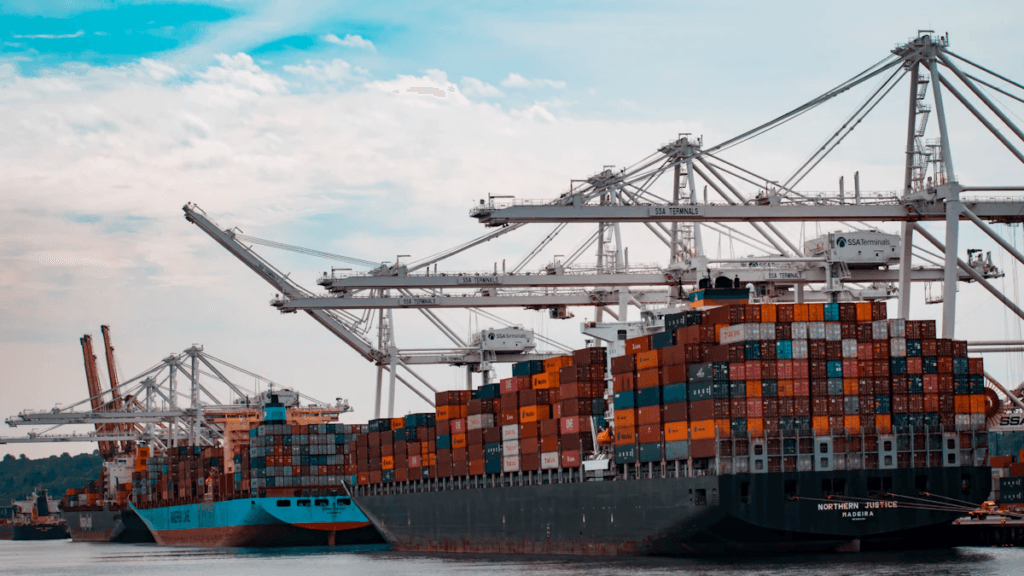
The rationale behind this reform is clear. First, many export representatives have been associated with shell companies established solely to sell export permits to foreign buyers without engaging in actual trade. These entities profited by claiming tax rebates with minimal real export activity. Second, the practice of purchasing permits created an uneven playing field. Legitimate manufacturers declaring full export volumes faced a competitive disadvantage against those exploiting this loophole to avoid taxes. Finally, the reform synchronizes tax and export data systems, enabling the Chinese government to obtain a more accurate and realistic picture of national export figures.
To comply with the reformed policy and mitigate its impact, foreign buyers have three primary options:
- Request the Manufacturer to Provide the Export Permit. This is the intended trading method moving forward. However, manufacturers may be reluctant, as the income tax payable can significantly outweigh the value-added tax (VAT) rebates received from exports.
- Register as a Market Procurement Trade Entity (under Policy 1039). This status allows qualified buyers to export with reduced VAT and income tax rates. For buyers trading in large volumes and a wide variety of goods, this can be the optimal long-term solution. While it involves a one-time registration cost and ongoing income tax, the reduced tax burden and compliance stability make it profitable over time.
- Trade Through a Contractually Partnered Export Representative. By forming a contractual partnership with a legitimate export representative, the representative assumes the tax liability. In return, the foreign buyer pays a per-shipment service fee. Representative fees, which spiked during the initial implementation week, have since normalized. While this is a temporary fix, it remains a cost-efficient and low-effort short-term solution.
In summary, the reformed tax policy aims to strengthen the integrity of China’s export ecosystem. Foreign buyers need not panic. While the changes introduce additional paperwork and may slightly increase costs, multiple pathways exist to ensure compliance. These adjustments collectively pave the way for a more transparent, fair, and efficient export system for all parties involved.